

Choosing a bed should feel simple, but in many UK homes it quickly becomes a space-planning decision. A bed is usually the largest item in the bedroom and the wrong size can make even a good looking room feel cramped, awkward or impractical. The right choice depends on more than whether the mattress fits. You need to think about walking space, storage, door clearance, bedroom shape, who uses the room and how the bed supports everyday comfort.
This matters even more as UK homes are being used in more flexible ways. Bedrooms are no longer just for sleeping; many double as dressing areas, work from home corners, children’s play spaces or guest rooms. The English Housing Survey reported that in 2024–25 3% of households were overcrowded while 40% were under occupied by the bedroom standard, showing how varied bedroom use has become across UK homes. For retailers and homeowners alike, this means bed buying is not just about size it is about making the room work harder without sacrificing comfort.
Super Beds offers several bed types, including divan beds, ottoman beds, sofa beds, guest beds, upholstered beds, wooden beds, bunk beds, mid sleeper beds and kids’ beds, which makes it easier to match a bed style to the actual size and purpose of the room.
Start with the Real Room Not the Bed Size
A common mistake is choosing the biggest bed that will physically fit in the room. In practice, a bed that fits on the floor plan may still block drawers, crowd wardrobes, or make the room feel difficult to move through.
The UK’s nationally described space standard gives a useful benchmark: a single bedroom should be at least 7.5m² and 2.15m wide, while a double or twin bedroom should be at least 11.5m². These are planning standards rather than shopping rules, but they show why a double bed in a small room can feel tight even when the mattress technically fits.
Before choosing a bed, measure:
- The full room width and length, including alcoves or chimney breasts.
- The door swing and wardrobe door clearance.
- Radiators, plug sockets, windows, and fitted storage.
- Space needed to walk around the bed comfortably.
- Whether drawers or ottoman storage can open fully.
A practical rule is to leave around 60cm of walking space on at least one main side of the bed where possible. In tighter rooms, 45cm may be workable, but anything less can make daily use awkward, especially if two people share the room.
Understand UK Bed Sizes Before Matching Them to the Room
UK bed dimensions are fairly standard, but the bed frame itself can be slightly larger than the mattress, especially with padded upholstered frames, sleigh beds, or high footboards. Standard UK mattress sizes include small single at 75 x 190cm, single at 90 x 190cm, small double at 120 x 190cm, double at 135 x 190cm, king at 150 x 200cm, and super king at 180 x 200cm.
| Bed Size | Mattress Dimensions | Best For |
| Small single | 75 x 190cm | Young children, narrow box rooms |
| Single | 90 x 190cm | Kids, teens, solo adults, guest rooms |
| Small double | 120 x 190cm | Solo adults wanting more room, compact bedrooms |
| Double | 135 x 190cm | Couples in standard rooms, guest bedrooms |
| King | 150 x 200cm | Couples wanting extra width and length |
| Super king | 180 x 200cm | Large master bedrooms, luxury layouts |
A key detail for couples: a standard double gives each person only 67.5cm of width. That is why many couples sleep better in a king or super king if the room allows it. The Sleep Charity notes that sharing a bed can cause sleep disturbance, and recommends a bigger bed as one solution for restless sleepers or couples disturbed by movement.
Best Beds for Small Bedrooms and Box Rooms
Small bedrooms need beds that reduce wasted footprint. This is where compact frames, divans, storage beds and raised designs perform better than bulky decorative frames.
Choose a Single or Small Double Based on the User
For a child’s room, a single bed is usually the most practical long-term option. It gives enough sleeping space as the child grows and still leaves room for a desk, wardrobe, or toy storage. A small single can work for younger children or very narrow rooms, but it may feel limiting sooner.
For a solo adult in a compact room, a small double often gives the best balance. It feels more generous than a single without taking up as much space as a full double. This works well in flats, rented rooms, student-style bedrooms, and smaller spare rooms.
Use Height When Floor Space Is Limited
In children’s bedrooms, bunk beds and mid sleeper beds can free up floor space by using vertical height. A mid sleeper can create room underneath for storage, a reading zone, or a small desk. In shared kids’ rooms, bunk beds are often more efficient than placing two single beds side by side.
However, vertical beds need careful planning. Check ceiling height, ladder position, and whether the child can safely get in and out. The bed should save space without making daily routines harder.
Best Beds for Standard Double Bedrooms
A standard UK double bedroom often needs to balance two priorities: sleeping comfort and storage. For many homes, this is where a divan bed, ottoman divan, or compact upholstered frame makes the most sense.
Divan Beds Work Well in Average-Sized Rooms
Divan beds are useful because the mattress sits directly on the base, meaning there is usually less wasted frame space around the mattress. Super Beds describes divan beds as space-saving options, often including drawers, while ottoman beds provide lift-up storage across the frame.
In a room around 10–12m² a double divan can leave enough space for bedside tables and a wardrobe. If the room is closer to the 11.5m² double-bedroom benchmark, a king may also work but only if the layout remains practical.
When to Choose a Double vs King
A double bed is sensible when the room also needs wardrobes, drawers a dressing table, or a work corner. A king bed is better when sleep comfort is the priority and storage is already built in elsewhere.
The 2025 John Lewis home trend report highlighted growing demand for larger beds, with super king bed sales up 39%, king beds up 23%, and double mattresses down 5%, suggesting many UK shoppers are prioritising better sleep where space allows. The lesson is not that every room needs a bigger bed. It is that bed size should match both the sleeper and the room not just old habits.
Best Beds for Large Master Bedrooms
Large bedrooms give more freedom, but they still need proportion. A super king in a large room can look luxurious and feel comfortable, but if the frame is too bulky or the headboard is too tall, the room may feel visually heavy.
King and Super King Beds Need Breathing Space
A king bed is often the safest upgrade for couples because it adds both width and length compared with a standard double. A super king gives the most personal space, but it works best in wider rooms where both people can access the bed easily.
For large rooms, consider:
- A statement upholstered bed if the room needs a focal point.
- An ottoman bed if storage is limited elsewhere.
- A wooden bed frame for a lighter, timeless look.
- A low-footend design if you want the room to feel more open.
A large bedroom can handle a more decorative bed, but the design should still support movement. You should be able to open wardrobes, walk around the bed, and place bedside lighting without everything feeling squeezed.
Best Beds for Guest Rooms and Multi-Use Bedrooms
Guest rooms are often the most underused spaces in a home, so flexibility matters. A room that only hosts guests a few times a year may also need to work as an office, storage room, or hobby space.
Sofa Beds and Guest Beds Keep Rooms Flexible
A sofa bed is useful when the room needs to function as a sitting area or home office most of the time. A guest bed or trundle bed can work well when you want a single bed day-to-day but occasional sleeping space for two people.
For smaller guest rooms, a small double is often a smart compromise. It feels comfortable for one guest and can work for two for short stays. For regular overnight guests or couples, a standard double is better if the room allows.
The key is to avoid buying a bed purely for the rarest use case. If the room is used as an office 90% of the time, a full-size double bed may not be the best choice unless it includes storage or folds away.
Storage Beds: The Smart Choice for Bedrooms Without Built-In Space
Storage is one of the biggest reasons UK shoppers choose divan and ottoman beds. Built-in bedroom storage is part of the UK space standard framework, with minimum storage allowances increasing by home size, but many existing homes still lack practical storage.
A storage bed can reduce the need for extra furniture, which is especially valuable in smaller rooms. For example, an ottoman bed can replace a blanket box, seasonal storage unit, or spare chest of drawers. A drawer divan works well where side space is available, while a lift-up ottoman is better when side clearance is limited.
Drawer Storage vs Ottoman Storage
Drawer storage is best when the room has enough space on the sides or foot end. It gives quick access to everyday items like bedding, clothes, or children’s toys.
Ottoman storage is better when you need maximum hidden capacity. Because the mattress lifts up, the full base area can be used for storage. This is ideal for spare duvets, suitcases, winter bedding, and bulky items that do not need daily access.
Match the Bed Style to the Bedroom Shape
The shape of the room matters as much as the size. Two bedrooms with the same square metres can feel completely different depending on where the door, window, radiator, and wardrobes sit.
Narrow Bedrooms
Choose a single, small double, or compact divan. Avoid high footboards and oversized side rails. Place the bed lengthways along the longest wall where possible.
Square Bedrooms
A double or king may work well if wardrobes are placed efficiently. In square rooms, symmetry is easier, so bedside tables and a centred headboard can create a balanced look.
Long Bedrooms
A bed can be placed across the width if there is enough clearance. Long rooms also suit ottoman beds because the lift mechanism can be accessed without needing drawer space on both sides.
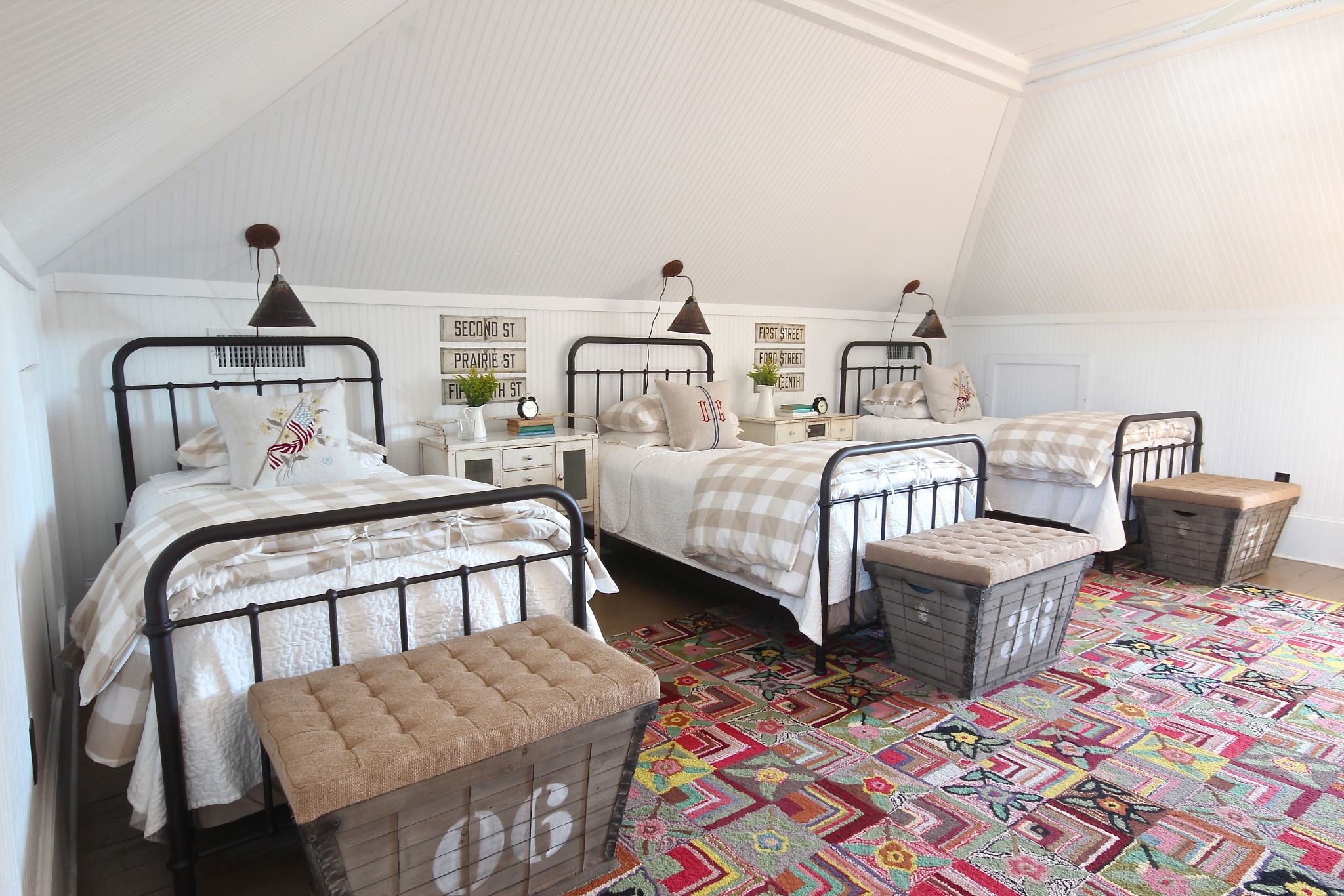
Rooms with Sloped Ceilings
Avoid tall headboards under low eaves. Low-profile beds or wooden frames often work better. If using an ottoman, check that the lift-up mechanism has enough height clearance.
Why Bed Choice Matters for Sleep, Lifestyle, and Budget
A bed is not a short-term purchase. It affects sleep quality, room usability, and how much storage furniture you need to buy. The NHS states that adults generally need 7 to 9 hours of sleep, and uncomfortable beds are listed among common causes of poor sleep.
From a market perspective, beds are also a major part of UK furniture spending. A 2025 Business Gateway furniture retailing report noted that UK bedroom furniture spending was expected to reach £4.658 billion in 2024, with beds and mattresses representing 60% of total bedroom furniture expenditure. The British Furniture Confederation also reports that the wider UK furniture, bed, furnishings, and floorcoverings sector contributed over £41 billion to the UK economy in 2023.
That scale shows why bed buying is not just a style decision. For households, it is an investment in comfort and space efficiency. For retailers, it is an opportunity to guide customers toward better fit products, fewer returns and higher satisfaction.
Practical Bed Size Recommendations by Room Type
For very small bedrooms, box rooms, or children’s rooms, choose a small single, single, mid sleeper, or bunk bed depending on age and safety. The goal is to protect floor space.
For compact adult bedrooms, choose a small double or slim divan. This gives a solo sleeper more comfort while keeping the room practical.
For standard double bedrooms, choose a double bed if storage and movement matter most, or a king bed if sleep space is the priority and the layout allows it.
For large master bedrooms, choose a king or super king with a frame style that suits the room’s scale. Add ottoman storage if you want the bed to work harder.
For guest rooms, choose a small double, guest bed or sofa bed depending on how often the room is used for sleeping.
Conclusion
Picking a bed for a bedroom size is not simply about matching measurements. It is about understanding how the room functions every day. A small bedroom needs space efficiency. A guest room needs flexibility. A couple’s room needs comfort and movement space. A master bedroom can handle more luxury but only if the layout still feels balanced.
As UK homes continue to serve more purposes from sleeping and storage to working and hosting the most practical bed choices will be those that combine comfort, proportion, and smart use of space. For many households that means considering compact divans, ottoman storage beds, guest beds, sofa beds and carefully chosen king or double beds rather than defaulting to the biggest or cheapest option. A well-chosen bed should make the bedroom feel calmer, easier to use and better suited to real life.
FAQs
What size bed is best for a small bedroom?
A single or small double is usually best for a small bedroom. A divan or ottoman style can help save extra space by adding built-in storage.
Can a king size bed fit in a standard UK bedroom?
Yes, but only if there is enough walking space around it and room for wardrobes or bedside furniture. Always measure the full frame size, not just the mattress.
Is a small double suitable for two people?
A small double can work for occasional use, but it is usually better for one adult. For two regular sleepers, a standard double or king is more comfortable.
What bed is best for a guest room?
A small double, guest bed or sofa bed works well. Choose based on whether the room is used mainly for guests, work or storage.
Are ottoman beds good for small rooms?
Yes. Ottoman beds are ideal when floor space is limited because they provide hidden storage without needing extra drawers or bulky furniture.


